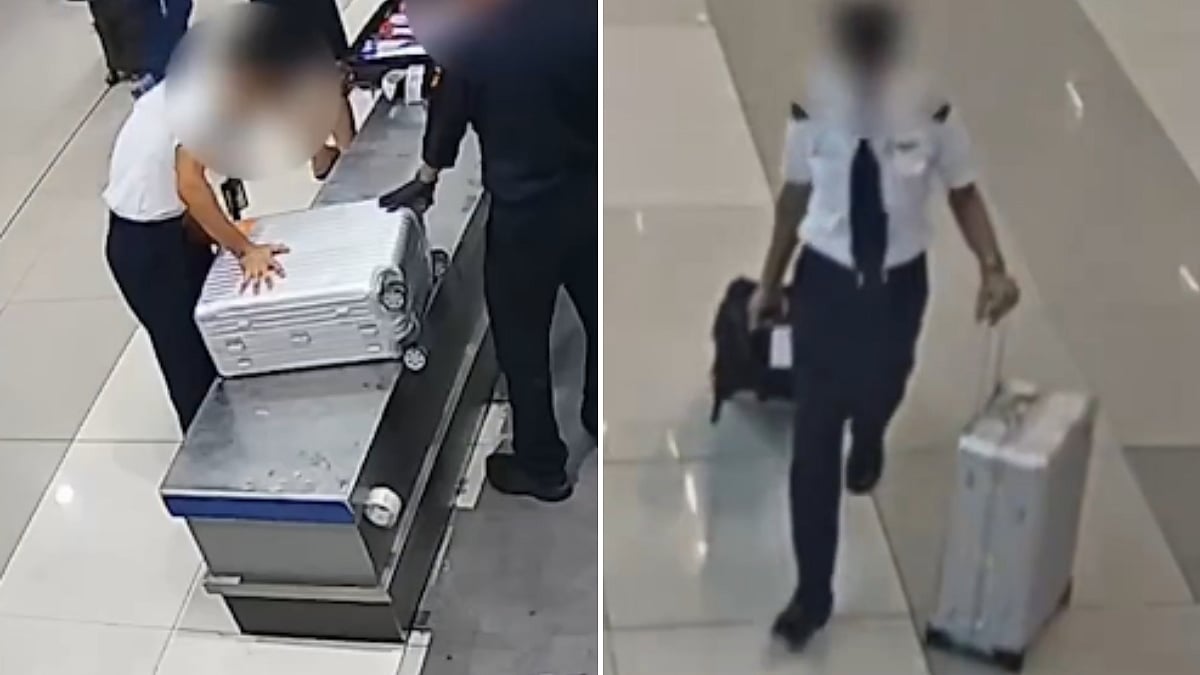
Indonesian customs authorities have released surveillance footage showing the movements of a Malaysian pilot who was arrested for allegedly attempting to smuggle a large quantity of narcotics into the country.
The footage, which was published by Soekarno-Hatta Customs and Excise on Instagram on August 3, documents the events leading up to the arrest of the 39-year-old co-pilot, identified only by the initials MS.
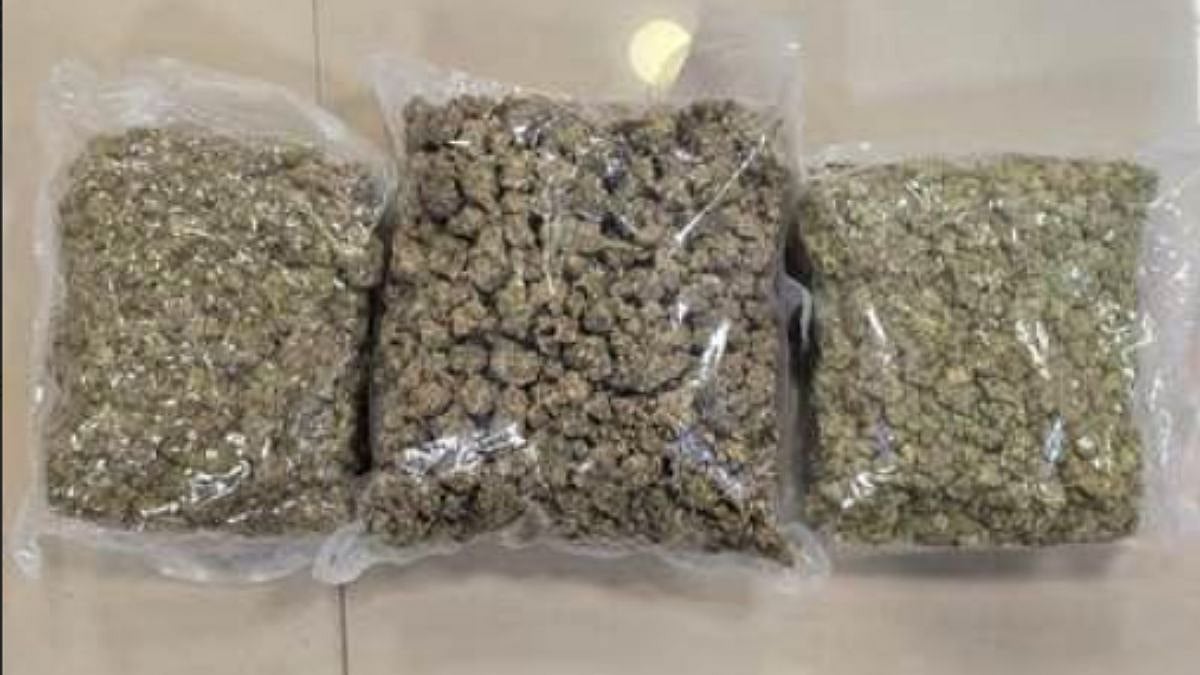
Authorities allege that the suspect, who had co-piloted a commercial flight from Kuala Lumpur to Jakarta on July 28, was carrying approximately 70,114 ecstasy (MDMA) pills weighing around 26 kilograms, along with nearly four grams of methamphetamine. Officials estimated the value of the seized drugs at around 60 billion Indonesian rupiah (approximately RM13.5 million).
The video shows the pilot, dressed in his airline uniform, collecting a silver suitcase and a second black bag from the baggage claim area before entering a special fast-track lane designated for airline crew members.
According to Indonesian officials, the luggage had already been identified for additional screening after irregularities were detected during X-ray checks and risk assessments. One caption accompanying the footage emphasised that crew members are not exempt from customs inspections despite having access to dedicated immigration lanes.
The footage later shows customs officers escorting the suspect to an inspection room, where several concealed packages were allegedly discovered inside the suitcase. Officials also displayed a bottle that they claimed contained urine, which investigators believe may have been intended to manipulate the results of a drug test.
Following the arrest, the suspect and the confiscated material were handed over to Indonesia's Criminal Investigation Agency for further investigation.
Meanwhile, Malaysian authorities defended the country's screening procedures at Kuala Lumpur International Airport (KLIA). Malaysia Border Control and Protection Agency director-general Mohd Shuhaily Mohd Zain said the baggage had undergone standard screening procedures but had not been classified as high-risk by the airport's artificial intelligence-assisted system.
He added that the manner in which the narcotics were concealed may have prevented them from being detected.
Malaysia Airports Holdings Berhad (MAHB) also clarified that airport security personnel are primarily responsible for identifying threats such as explosives and weapons, while investigations involving narcotics fall under the jurisdiction of customs officials and law enforcement agencies.
Authorities in both countries are continuing their investigations to determine how the drugs escaped detection despite multiple layers of security screening.

