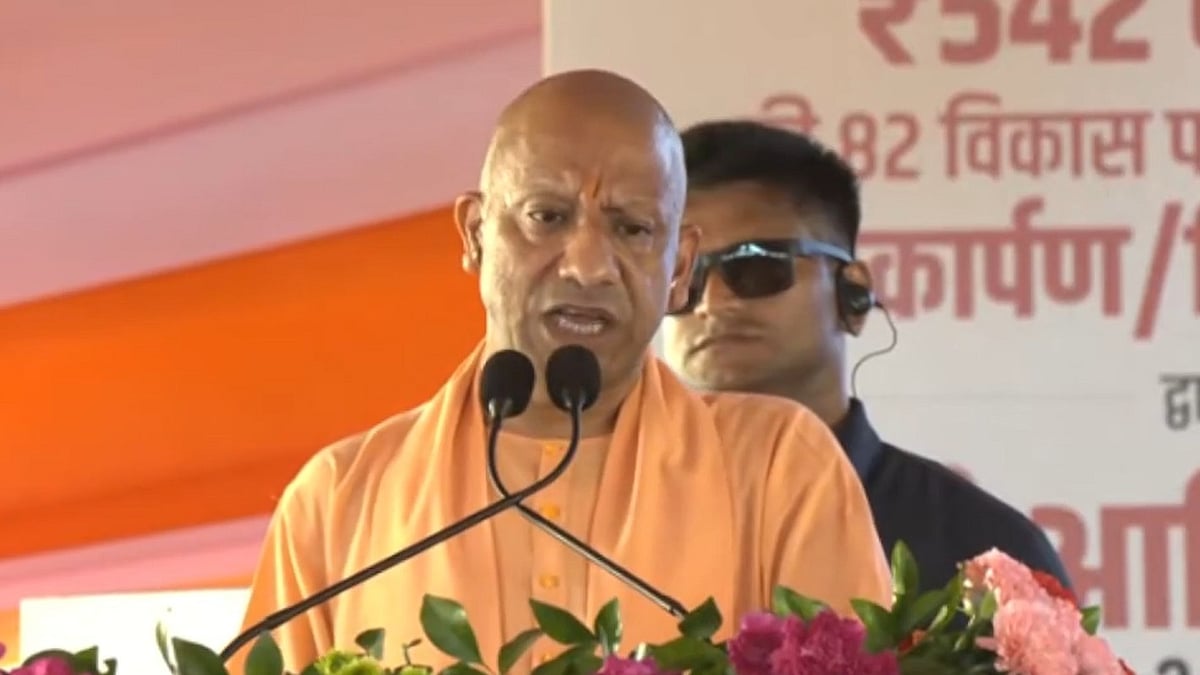
Lucknow, July 20: Under the leadership of Chief Minister Yogi Adityanath, the Uttar Pradesh Government's Vehicle Scrappage Policy is proving effective in promoting road safety, environmental protection and a modern transport system.
Following the implementation of the policy, more than 1.85 lakh private vehicles and more than 10,000 government vehicles have been scrapped through authorised scrapping centres in the state as of June 30, 2026. So far, more than 1.95 lakh old and unserviceable vehicles have been scientifically disposed of across the state.
The Uttar Pradesh Government has made the entire vehicle scrapping process technology-driven, transparent and simple. At present, 101 Registered Vehicle Scrapping Facilities (RVSFs) have been registered in the state, of which 50 centres are fully operational. These centres are carrying out the scientific disposal of old and unserviceable vehicles. The entire process is conducted online through the Central Government's V-Scrap Portal and VAHAN system, ensuring transparency while also relieving vehicle owners of unnecessary hassles.

According to the Transport Department, the objective of the state government and the department is not merely to remove old vehicles but to develop a safe, clean and modern transport system. The policy is expected to reduce road accidents, lower air pollution and carbon emissions, and improve fuel efficiency. It will also enable the scientific recycling of scrap metal and other materials. At the same time, the policy is expected to boost investment and create new employment opportunities.
Under the policy, old and polluting vehicles that do not meet the prescribed technical and safety standards are being phased out. Vehicle fitness is tested at modern Automated Testing Stations (ATS) using advanced computerised equipment without human intervention. If a vehicle fails to meet the prescribed standards, it is first declared unfit. If it fails the re-test as well, it is declared an End of Life Vehicle (ELV) and included in the scrapping process.
Also Watch:
The state government is also rapidly expanding the scrapping network. In districts where scrapping centres have not yet been established, private investment is being encouraged to set up new facilities. At present, proposals and applications for 30 new scrapping centres are under process, which will enable this facility to reach most districts of the state in the coming period.
The policy also gives special attention to the interests of vehicle owners. After depositing their vehicle at an authorised scrapping centre, they are issued a Certificate of Deposit. Based on this certificate, there is a provision for up to a 10 percent rebate in road tax for commercial vehicles and up to a 15 percent rebate for private vehicles while purchasing a new vehicle. In addition, the vehicle owner receives the value of the scrapped vehicle. If the vehicle owner does not purchase a new vehicle immediately, the Certificate of Deposit can be sold to any other person who needs it under the prescribed system.
The policy will not only strengthen environmental protection and road safety but will also ensure a better supply of raw materials to the automobile, steel, aluminium, copper, plastic and rubber recycling industries. This is helping reduce manufacturing costs. New direct and indirect employment opportunities are also being created in sectors such as vehicle scrapping, logistics, machine operations, quality testing, and environmental management.

