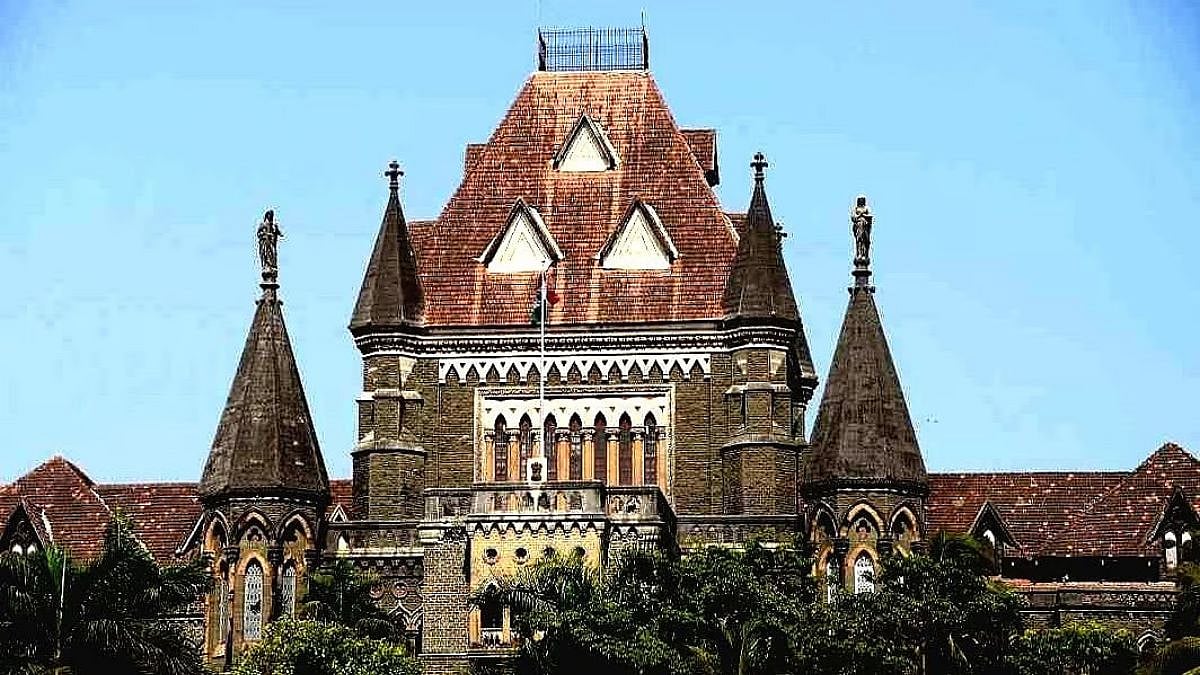
Mumbai: The concept of fast track may sound promising, but can it offer a solution for the long standing issue of pendency of cases in Indian court including the cases of serious frauds? Over the past decade, there has been a rise in economic offences, affecting many who lost hard earned life savings and in some cases collapse of institutions. It is to note that in none of the major cases the trial has actually begun, while in some cases the investigation is incomplete.
According to the data available on the National Judicial Data Grid (NJDG), as on Friday, there are in total 54,064 criminal cases pending before the Mumbai sessions court out of which 15,526 are more than five years old. While in magistrate courts, a total of 683,891 cases are pending, out of which 231,962 are older than five years.
Retired Justice Abhay Thipsay said, “In cases of frauds, white collar crime, the accused wants to exhaust all the legal remedies available with them up to the Supreme Court. In most of the cases investigation itself takes time may be years, which further delays the process of submitting chargesheet and subsequent framing of charges.”
Explaining the concept of the fast-track courts, Thipsay said there is nothing called as fast track courts, it's not defined. “Somewhere in 2002, the Central government was given a grant to set up additional courts to reduce the pendency in the courts with appointment of ad-hoc judges. These courts were allotted fix cases and not any other regular court duties. Hence, they were probably given the name of fast track courts,” Thipsay explained.
Thipsay further explained that as per the law these courts also have to adopt the same process without skipping any step. “There is no separate procedure prescribed in law. They have to undergo the same process like framing a charge.”

“There is no such separate procedure for any court or no machinery or even procedure for handling it differently from any other courts,” Thipsay said.
Advocate Ravi Jadhav, president of Mumbai City Civil and Sessions Court Bar Association said that at present the fast-track courts which were so set up are not at all effective. “Financial fraud trials in Mumbai are taking years to even reach the stage of evidence, and that delay defeats justice for both the victim and the accused. The money trail goes cold, witnesses drift away, and attached assets lose value while the case waits its turn in an overburdened list,” he said.
“The government must act on two fronts – sanction dedicated courtrooms exclusively for economic offences, including MPID, PMLA and cheating cases involving large public money, and fill judicial vacancies and provide trained staff to man them,” Jadhav said.

A public prosecutor in the sessions court on the condition of anonymity said that a case can always be expedited if a proper schedule is followed. “A time limit should be set and a trial can be concluded in a year or two, giving no adjournment to any of the sides unless it is well explained.”
Pending cases
PMC Bank fraud case, 2016
PMC Bank allegedly masked 44 problematic loan accounts involving ₹7,457.49 crore, largely extended to HDIL, by tampering with its core banking system. It created 21,049 fictitious accounts to match loan disbursals. After HDIL defaulted, an investigation began. Several bank staff members and directors were also named as accused.
Vijay Mallya loan default case, 2016
The CBI is investigating a 2016 case against Kingfisher Airlines Ltd, its directors and guarantors over the alleged default of ₹9,000 crore in loans taken from a consortium of 17 banks. Separately, the CBI's Securities and Fraud Cell in Mumbai is probing the alleged default of an ₹900 crore IDBI Bank loan by Vijay Mallya.
Nirav Modi, PNB fraud case, 2018
The CBI alleged that between 2011 and 2017, bank officials fraudulently issued 1,214 Letters of Undertaking worth ₹23,780 crore for Diamonds R US, Stellar Diamond and Solar Export. Of these, 150 LoUs remain outstanding today.
Mehul Choksi, PNB fraud case, 2018
CBI booked Mehul Choksi for allegedly cheating Punjab National Bank by fraudulently obtaining Letters of Undertaking. The ED later launched a money laundering probe. His firms, Gitanjali Gems, Gili India Ltd and Nakshatra Brands, allegedly secured LoUs worth ₹3,011.39 crore and enhanced foreign letters of credit to ₹3,086.24 crore, laundering total of ₹6,097.63 crore in proceeds of crime.
IL&FS financial crisis, 2019
The collapse of Mumbai-based infrastructure financier IL&FS exposed governance failures and rattled India's financial sector. Delhi Economic Offences Wing registered a cheating and forgery case against IL&FS executives for alleged offences committed between 2010 and 2018, following a complaint filed.
DHFL-Yes bank loan fraud, 2018
Between April and June 2018, Yes Bank invested ₹3,700 crore in short-term debentures of DHFL. In return, Kapil and Dheeraj Wadhawan allegedly paid a ₹600 crore kickback to Yes Bank co-founder Rana Kapoor and family through a loan to DoIT Urban Ventures (India) Pvt Ltd. DHFL has been named in multiple cases.
To get details on exclusive and budget-friendly property deals in Mumbai & surrounding regions, do visit: https://budgetproperties.in/

