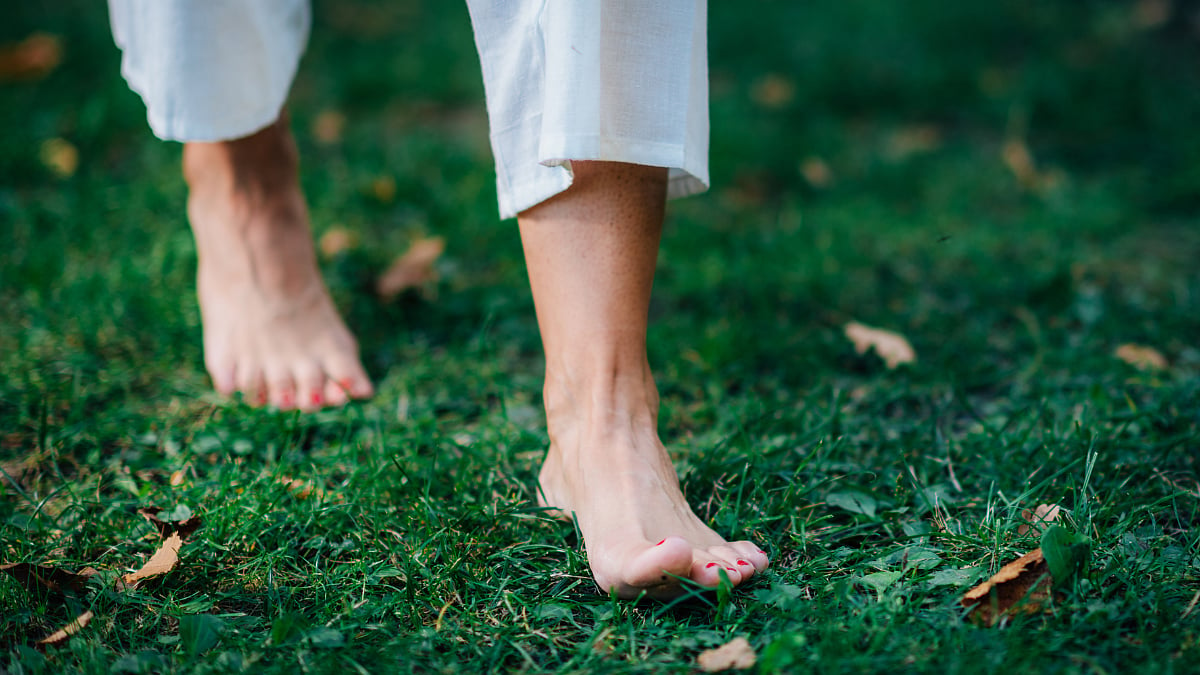
Shardiya Navratri is a festival of devotion, prayer and spiritual discipline, with devotees worshipping Goddess Durga and her nine forms over nine days. In 2026, the festival began on October 11, and the main Navratri observance will conclude on October 19, followed by Vijayadashami on October 20. Alongside fasting and daily puja, one custom seen among some devotees is avoiding footwear. While not everyone follows this practice, it carries religious significance for those who observe it.
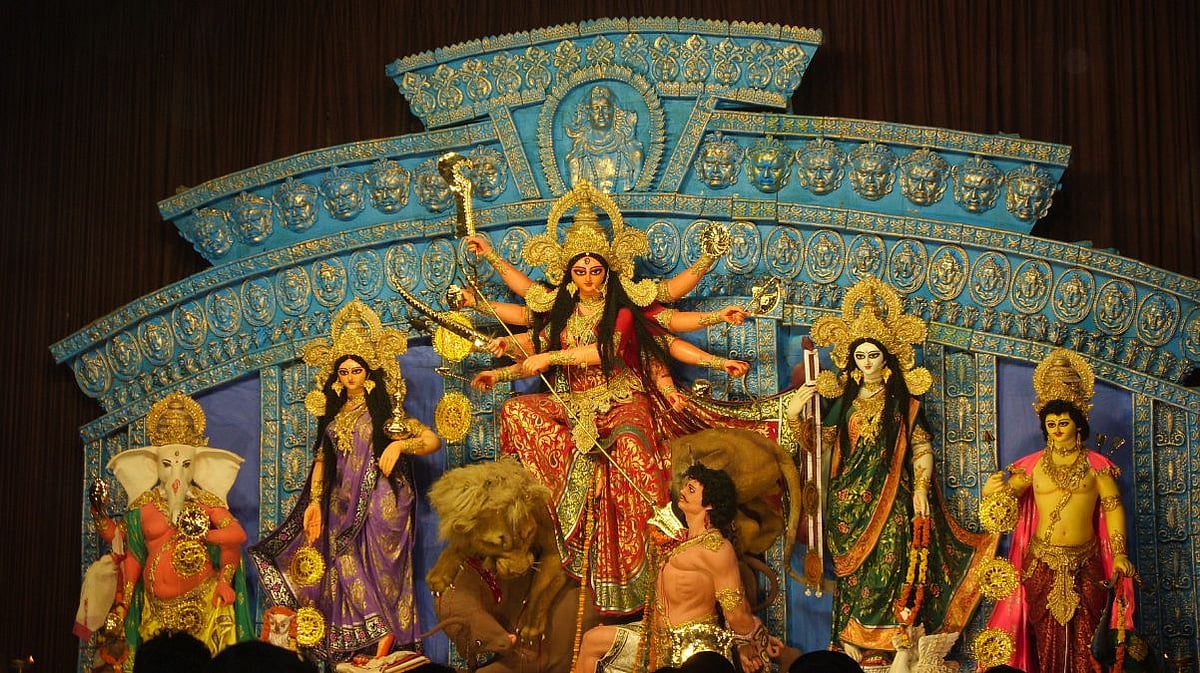
Why do people avoid wearing footwear during Navratri?
For many devotees, going barefoot during Navratri is a way to maintain the sanctity of a period dedicated to worship. As per scriptures, leather footwear is avoided because it is made from animal skin and is considered unsuitable for certain religious observances in some traditions. Some devotees also choose not to wear any footwear as a mark of reverence and humility.
Hindu customs traditionally call for removing footwear before entering places of worship and other spaces considered sacred. These can include temples, prayer rooms, areas where sacred fires are maintained, cow shelters, places where meals are eaten and spaces used for chanting mantras. Such practices reflect the importance attached to cleanliness and respect within these settings.

Additionally, walking barefoot can be a personal expression of surrender and dedication to Goddess Durga. By giving up an everyday comfort, devotees may see the practice as a way to strengthen their commitment to prayer and spiritual discipline throughout the festival.
Some devotees believe that walking barefoot allows them to feel more connected to the earth. Within this spiritual understanding, direct contact with the ground can serve as a reminder of nature and one's place within it.
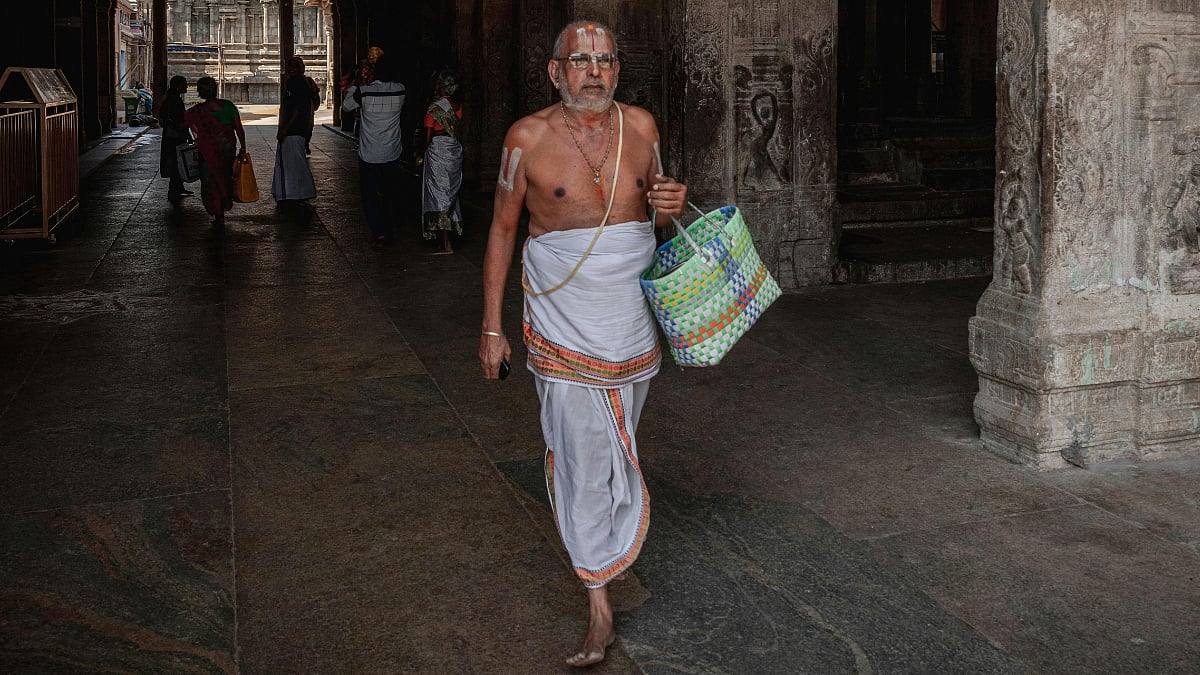
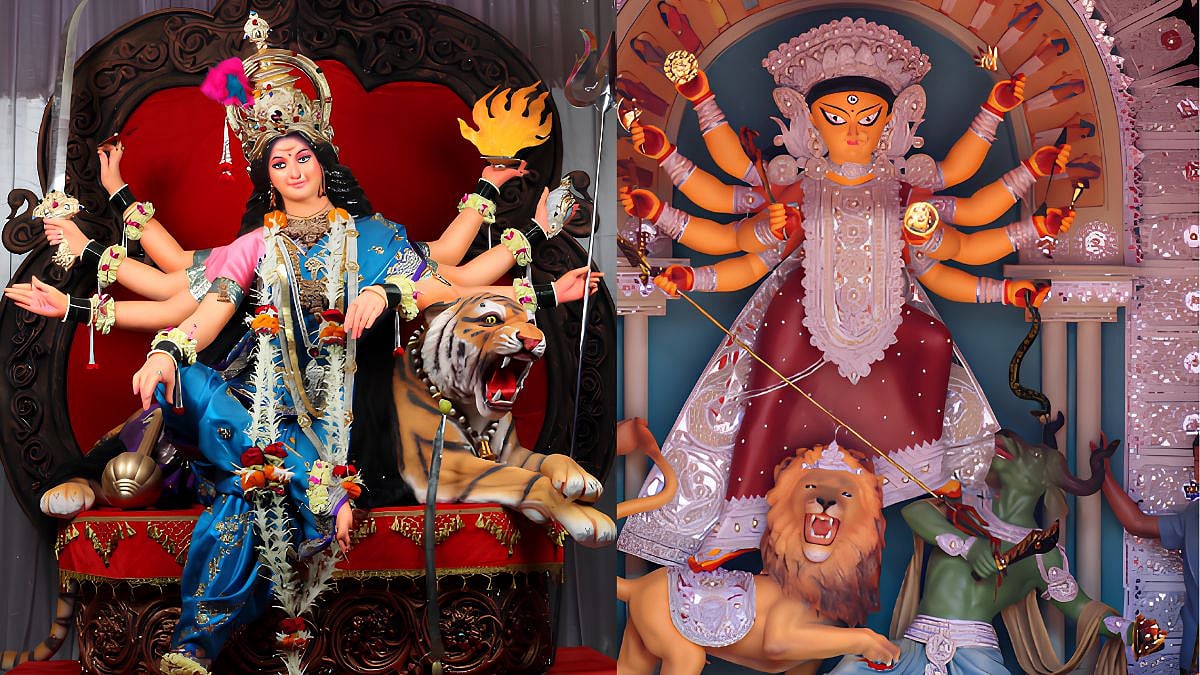
Is it compulsory during the nine-day vrat?
Avoiding footwear is not a universal requirement of Navratri fasting. Observances differ across regions, families and individual religious practices. Many devotees remove their shoes only before entering temples or performing puja, while others choose to remain barefoot for longer periods during the festival. The custom is generally understood as an expression of personal faith, not a rule that every devotee must follow.

