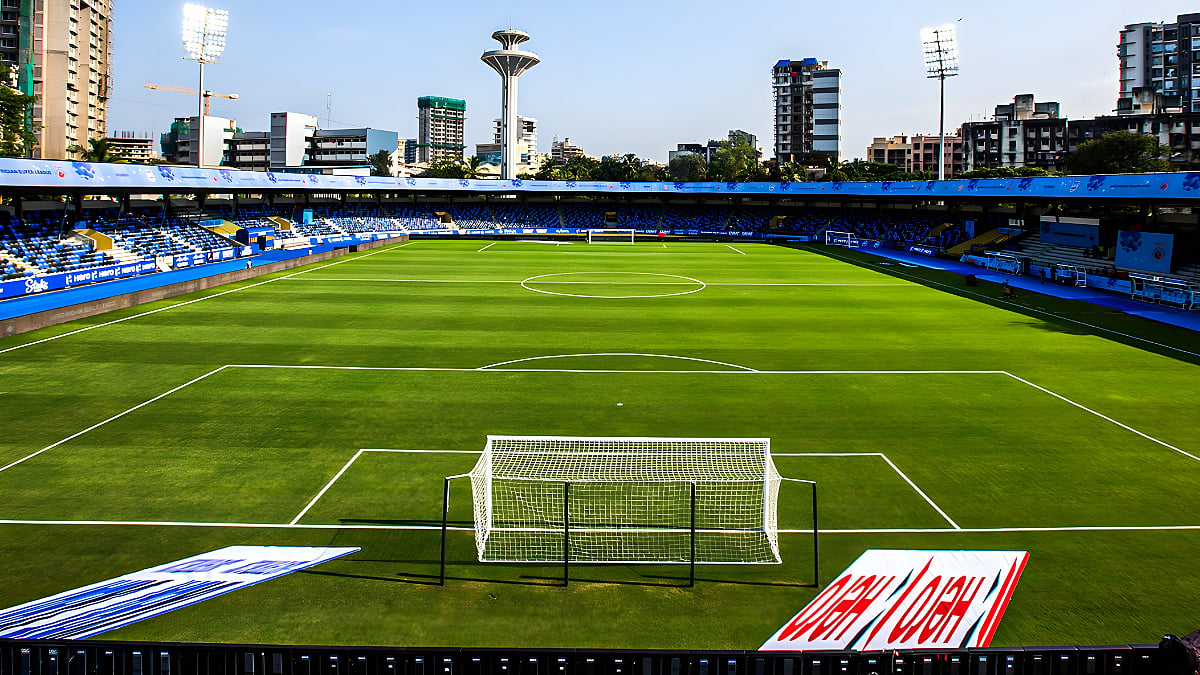
In the vast corners of our inhabited world, football is irrefutably considered the king of sports by its fans. From the streets of Rio de Janeiro to the alleys of Aizawl, and from the cool climes of Stockholm to the beaches of Sydney, people follow it with an intense and unabashed passion. In fact, in our modern history, football has played more than the role of being just a sport. It has united people, reduced enmity, and put an embalming panacea on many war-torn regions.
In India too, football is followed with an amazing fervour. Despite the national team’s current low rankings, India has a rich history of football. Out of its many hubs, Maharashtra stands as one of its flagbearers. The state has contributed a lot towards its proliferation and rapid growth. People often talk about films and cricket when Maharashtra’s name is evoked, but its role in football too is exemplary.
Regimental beginners and the luminous tourneys
The genesis of many modern sports in India and the world could be traced back to some specific groups, viz., soldiers, sailors, factory workers, etc. When these people took up a certain sport, outside their stifling work environments, they could not have guessed the lasting legacy their impromptu effort would create. In India, certain popular sports owe their origins to the British army.
Maharashtra football could also trace back its organised beginning to the 19th century, when the colonialist regimental teams started playing each other for entertainment. Once its popularity grew, a few British enthusiasts in Bombay created the Rovers Cup in 1891, making it one of the oldest football tournaments in India. (The oldest is the Durand Cup, started in 1888.) Rovers Cup would go on to play a monumental role in Indian football. The Cooperage Football Ground became its mainstay and one of the heartbeats of Indian football.
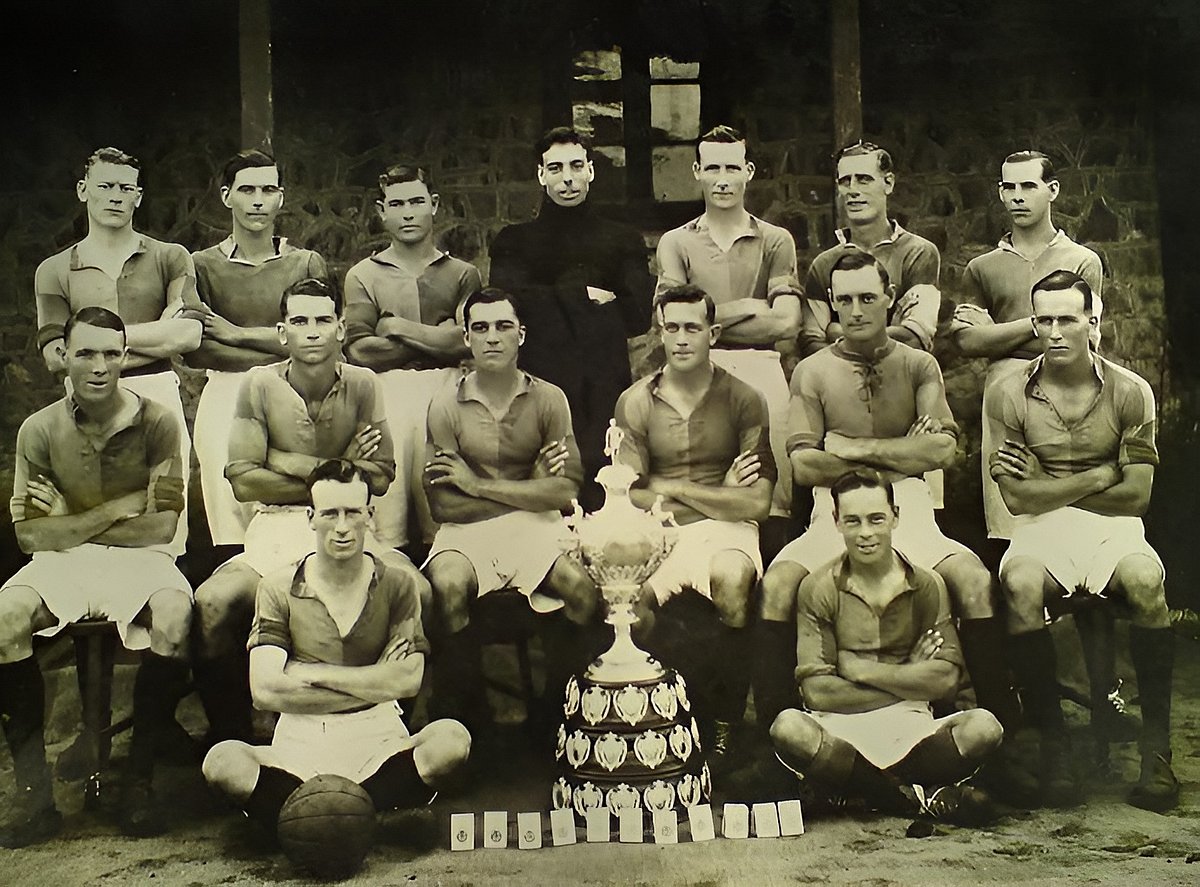
A Rovers Cup-winning British regimental team |
The year 1902 also turned out to be an important milestone, as the Bombay Football Association (BFA) was formed that year to run an organized league. It came to be known as the Harwood League after Col. Harwood, its founding president. This league is one of the oldest in the country and has left a massive impact on the game and its followers.
Later on, in 1911, the Rovers Cup committee merged with the BFA to become the Western India Football Association (WIFA) to pave the way for greater things.
Indranath Mukherjee, a Delhi-based football writer, says, “Long before modern leagues, WIFA played the role of a catalyst in Indian football history.”
Impactful journey
To sum up the impact of the Rovers Cup in a few sentences would be futile. However, here are some of its momentous occasions. Rovers Cup was started primarily for regimental teams, but in 1923, a civilian outfit was allowed for the first time. Mohun Bagan came and played some memorable football before they went down 4-1 to the Durham Light Infantry team in the final. Even so, their style of play highly impacted the local populace. Later on, in 1937, a team called the Bangalore Muslims Football Club became the first Indian team to win the Rovers Cup (defeating another Indian team, Mohammedan Sporting, in the final). As more Indian teams started making an impact on such tournaments, it paved the way for the popularity of football among local people. The game became one of the platforms to resist and display equal capacity to the colonialists.
Rovers Cup has also witnessed some great foreign clubs visiting and playing scintillating football. It has also seen some great ball players displaying their dazzling skills on the fields. All these have helped in popularizing the sport in this country. It has also observed some dramatic moments, like the 1983 final when the Iraqi ‘Al-Jaish’ played Mohammedan Sporting, which had Iranian players like Majid Bishkar and Jamshid Nassiri. This was during the Iran-Iraq War. Therefore, many people followed the final, where the tension remained palpable. (The Iraqi club won.) Although discontinued after the 2000-01 season, the Rovers Cup has created an unforgettable imprint.
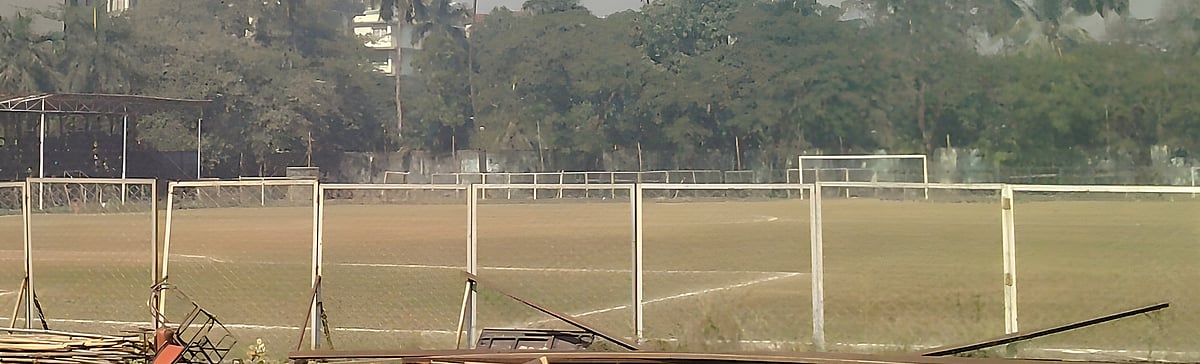
Cooperage Football Ground earlier photo |
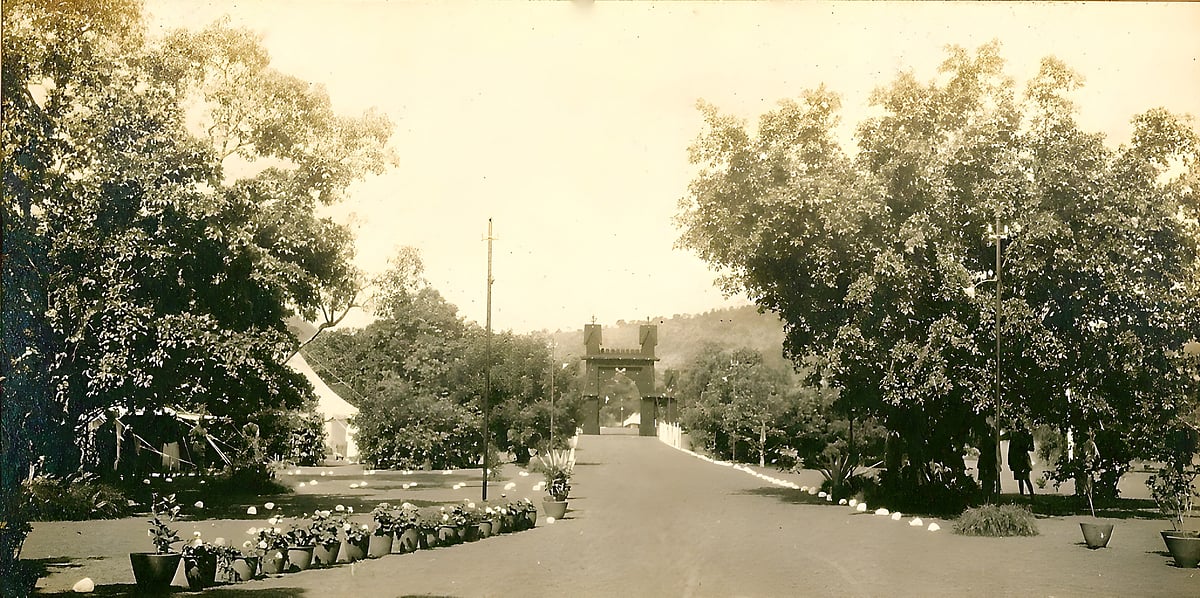
Kolhapur - March 1925 |
It would be worthwhile to mention another tournament, which has continued for over a hundred years after many breaks. The Nadkarni Cup was started in 1908, with school and college teams participating, thereby making football popular among the younger people.
Glorious years and its superstars
A lot of experts consider that football in Maharashtra peaked after the forties to become its golden era in the following decades. The prestigious national football tournament for participating states, the ‘Santosh Trophy’, was won by the Bombay football team (which later became the Maharashtra team) four times. They were also runners up twelve times. Except for twice being runners-up in the new millennium, most of the above glories were attained in the previous century. (The last time they won it was in 1999-00.) In addition, some Bombay-based clubs like Mafatlal, Mahindra, Air India, Tata Sports Club, Orkay Mills, etc., kept winning premier Indian tournaments from time to time, viz., Durand, Rovers, the Federation Cup, the IFA Shield, etc.
Santanu Guha, an ex-first division Kolkata footballer, says, “During our playing days, Mumbai teams like Mafatlal, Mahindra, Air India, were looked upon with awe.”
‘Neville D’Souza’, an all-time Indian great who played in the 50s and early 60s, honed his skills in Bombay club football. Neville scored a hat trick against Australia in the 1956 Melbourne Olympics (becoming the first Asian to do so in Olympic football), where India stood fourth. Another great from this state was Fortunato Franco, an accomplished Maharashtra football team captain, who won gold with the Indian football team at the 1962 Asian Games.
Souptik Ghosh, a Gen-Z football fanatic, comments, “Neville D’Souza is a standout name in Indian football, about whom our generation is most curious. We keep reading about him and his exploits on the field.”
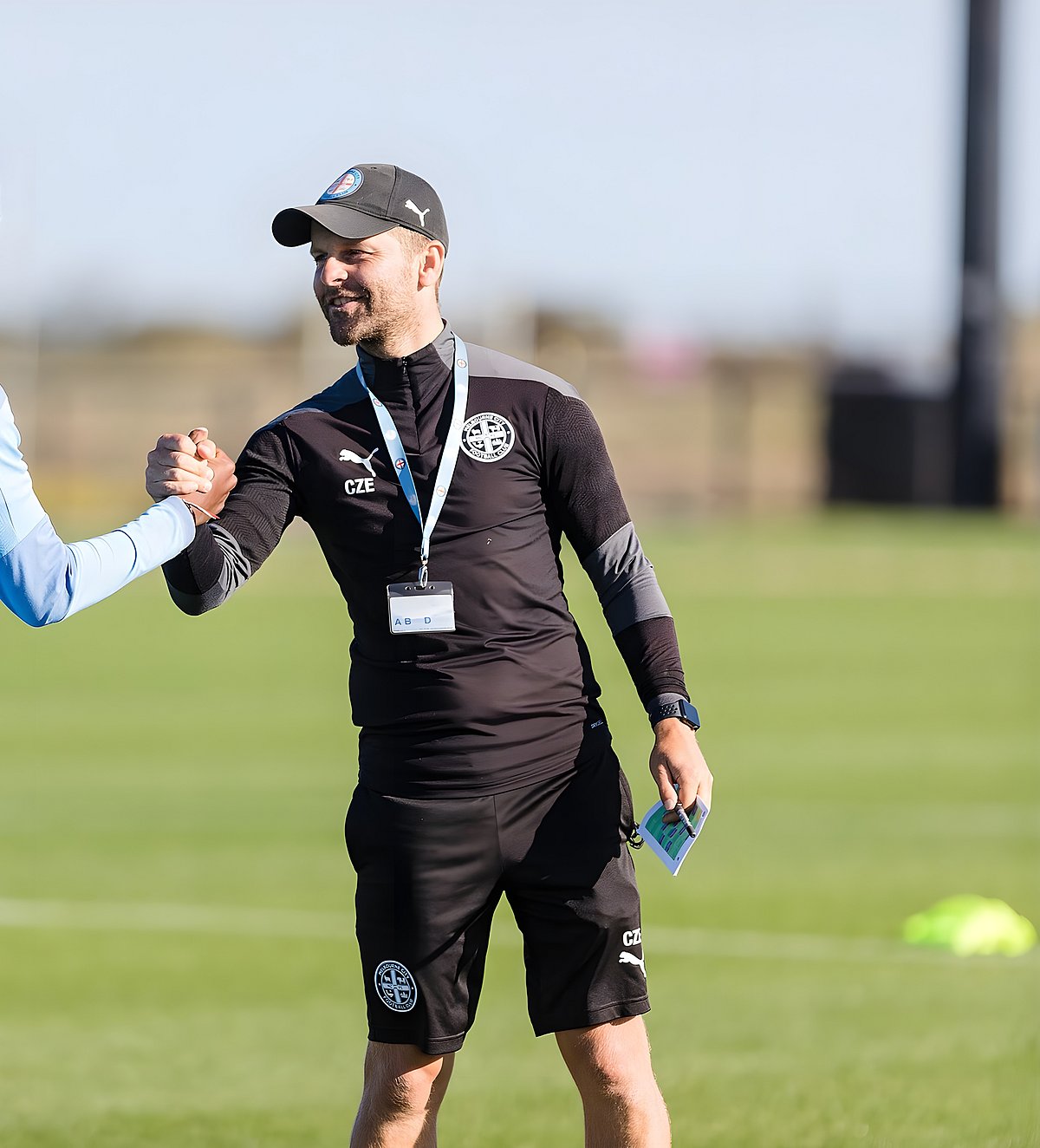
Petr Kratky - Current Head Coach of Mumbai City FC |
The other centre
When it comes to football in Maharashtra, it would be criminal not to mention the footballing legacy of Kolhapur, a city based in southern Maharashtra. Kolhapur’s footballing legacy too had its inception in the pre-independence era, when the sport received massive patronage from its royal family. It became such an integral part and culture of the city that Kolhapur eventually came to be known as the football capital of Maharashtra. It breathes football and currently boasts a vast number of football clubs. The football culture of Kolhapur has also inspired the rest of India. The current national forward ‘Aniket Jadhav’ also hails from this city.
Modern times
At this moment, the Indian Super League (ISL) is the top tier of Indian football, fiercely contested by several clubs. Starting in 2014, it received the top-tier status from the 2022-23 season. Out of that, the Mumbai City FC won the title twice, and in this current 2025-26 season, it achieved a respectable 3rd position. Nicknamed ‘The Islanders’ by its fans, this club is presently a gigantic force in Indian football.
In addition, many current national and star players of ISL, who play for different clubs, also belong to Maharashtra, some prominent names being Raju Gaikwad, Rahul Bheke, Farukh Choudhary, etc. Even the coach Steven Dias, who was known as the David Beckham of India during his playing days, belongs to Mumbai.
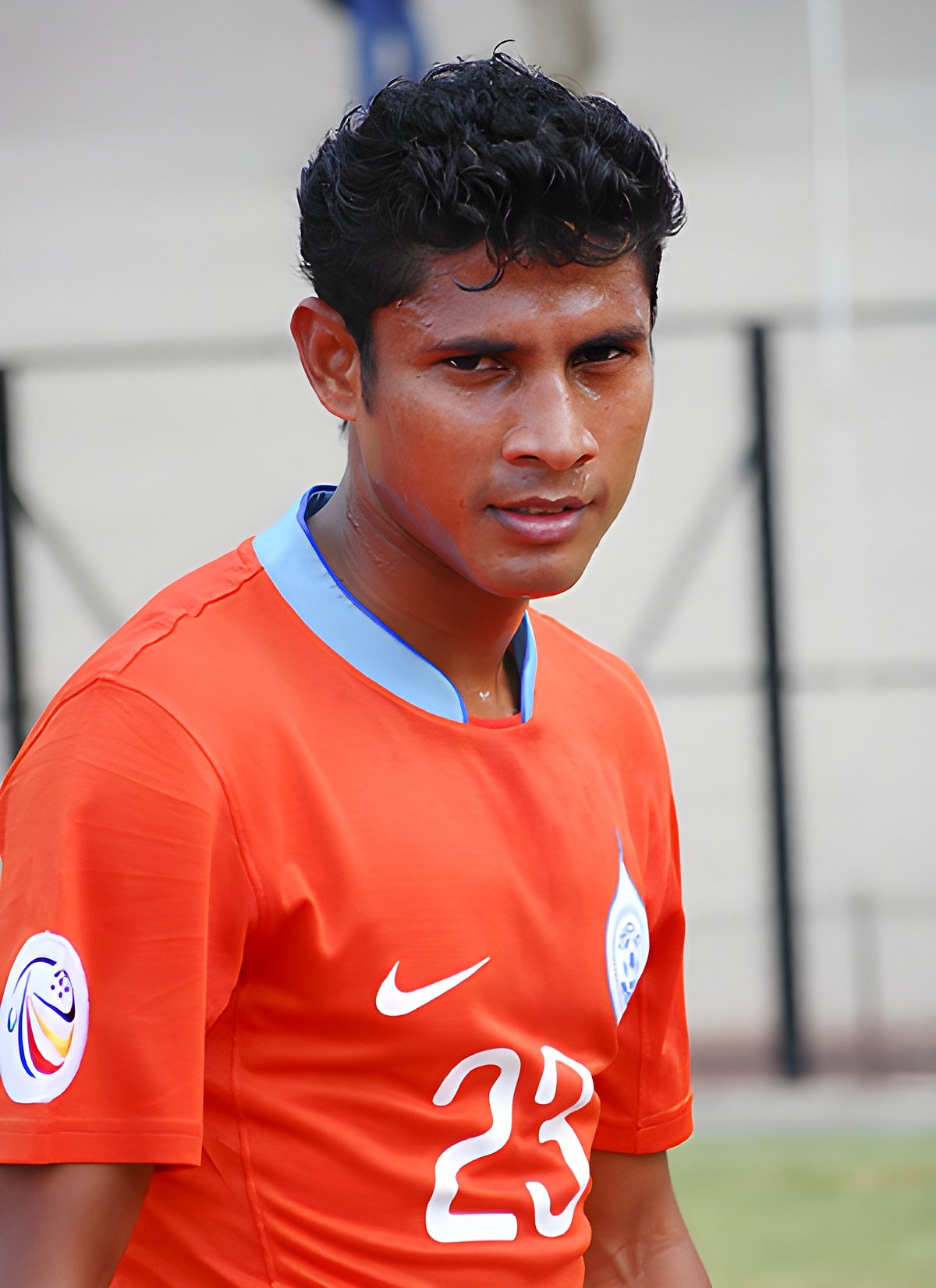
Steven Dias |
Conclusion
When it comes to Indian football, entities like Rovers, the Harwood League, the WIFA, Kolhapur football fanaticism, Mafatlal, Mahindra, and many others have played colossal roles in making it stand on its firm feet in this vast subcontinent. Some of its players have also remained the country’s brightest stars. So, to sum up this state’s contribution, the words would seem fewer. Let us now also hope that our country too soon becomes a force to reckon with in world football.

