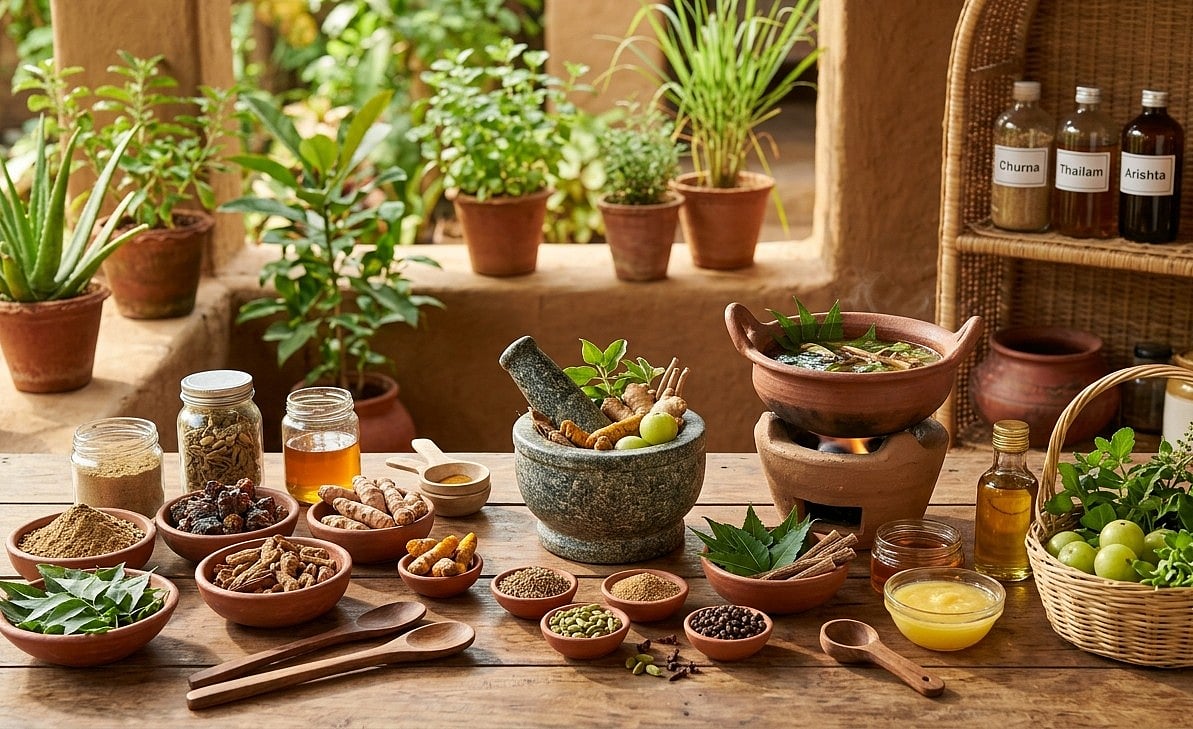
Health and tridoshas are closely interconnected. Ayurveda places great emphasis on the three doshas because an imbalance in Vata, Pitta, or Kapha is believed to be the root cause of many health problems. Yoga guru Swami Ramdev, co-founder of Patanjali Ayurved, explains common health issues associated with tridosha imbalances and shares home remedies using Patanjali products to help manage them.
Details about Tridoshas
Tridoshas form the foundation of Ayurvedic medicine. According to Ayurveda, every person's health depends on the unique balance of the three doshas, or bio-energies—Vata (governing air and space), Pitta (governing fire and water), and Kapha (governing earth and water).
Vata regulates movement, breathing, and the nervous system. Pitta governs metabolism, digestion, body temperature, and intellect, while Kapha is responsible for stability, joint lubrication, muscle growth, and immunity.
Swami Ramdev says that many diseases are linked to imbalances in the tridoshas. “Conditions associated with a Vata imbalance, such as fibromyalgia, Parkinson’s, and Alzheimer’s, may manifest through symptoms like weight gain, lump formation, and inflammation. Meanwhile, a Pitta imbalance can lead to ulcers, skin disorders, as well as stress, depression, and anger.”
A Kapha imbalance, on the other hand, can result in physical and mental stagnation, along with issues such as water retention and persistent tiredness.
He adds, “Regarding Kapha, Vata, and Pitta—imbalances of which are responsible for roughly 80–90% of ailments—you should learn these simple home remedies.”
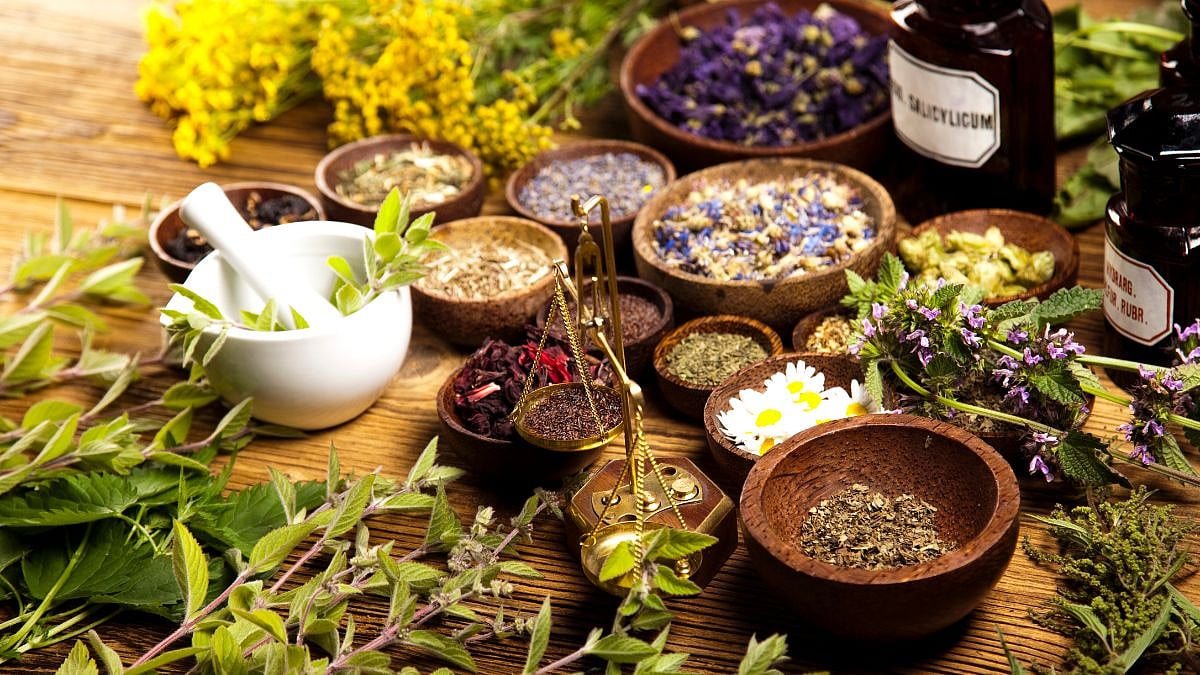
Ayurvedic Remedies to Treat Tridoshas’ Issues
Kapha Dosha: Swami Ramdev recommends eating a pomegranate with a pinch of rock salt, calling it one of the best remedies for Kapha-related disorders. He also suggests including papaya in the diet. Another recommended combination is roasted chickpeas (chana) with black raisins (munakka).
According to him, milk can aggravate Kapha. “Milk creates Kapha issues. If you want it, boil the milk with turmeric, ginger, shilajit, ashwagandha, and soonthi. Add sugar, munakka, or dates for sweetness,” he says.
He also advises taking three to four Divya Bronchom pills (35 Gms) daily, depending on the severity of the Kapha imbalance. After meals, he recommends Divya Swasari Vati (44 Gms) or Swasari Gold (13 Gms) to help manage respiratory issues.
For severe respiratory ailments, he suggests following a simple dietary routine. “Eat small portions of pomegranate and papaya in the morning, followed by roasted chickpeas and ginger in the afternoon. If you feel hungry, repeat the same meal in the evening. If you experience congestion, have papaya or pomegranate, and later eat roasted chana with black raisins. This combination provides protein and various minerals. You can also consume sattu mixed with hot water or hot milk,” he adds.
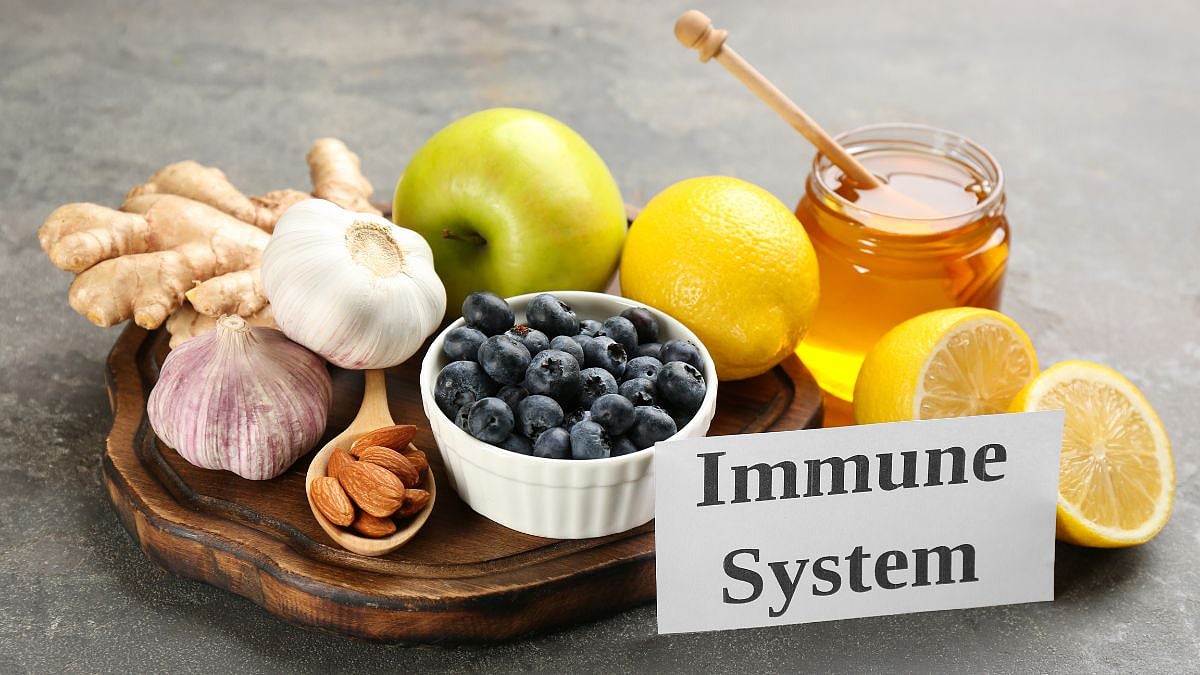
Vata Dosha: Swami Ramdev recommends preparing a powder using turmeric, fenugreek, and dry ginger (soonthi) and consuming it regularly. He also suggests having a blend of aloe vera, giloy, parijat, nirgundi, and drumstick juice on an empty stomach.
Another remedy he recommends is a vegetable preparation made with 100 Gms of aloe vera, 50 Gms of sprouted fenugreek, and 10–20 Gms of raw turmeric. Sauté the ingredients in a spoonful of cow's ghee, adding garlic, a pinch of hing (asafoetida), and cumin seeds. According to him, this preparation is a highly effective remedy for Vata-related disorders.
Pitta: For Pitta Dosha (bile-related) imbalances, Swami Ramdev recommends bottle gourd (lauki) juice, aloe vera, wheatgrass, ash gourd, bael, and bitter herbs. Among these, he considers neem to be the most effective.
“For anyone with digestive trouble, take fresh neem leaves and dry them. It offers a permanent solution for Pitta imbalances,” he says.
He also recommends taking Divya Acidogrit (37 Gms) and Divya Livogrit (49 Gms) on an empty stomach. Additionally, he advises dissolving half to one gram of Divya Mukti Pishti (2 Gms and 3 Gms) in water at night. “Try to soak it in a silver bowl or glass. I have cured severe Pitta-related disorders—even ulcerative colitis—using Moti Pishti,” he says.
Patanjali offers a range of Ayurvedic formulations to help manage tridosha-related imbalances.
For Vata Dosha disorders, Swami Ramdev suggests Patanjali Divya Mahayograj Guggul (20 Gms). According to him, it helps manage bone- and joint-related issues such as joint pain, muscle stiffness, and arthritis, while reducing inflammation and strengthening bones and nerves. It contains Ayurvedic ingredients such as soonth, ajwain, mandoor bhasma, shuddha guggulu, and gajpipal.
For Vata-related skin troubles, he suggests Divya Kaishore Guggul (40 Gms and 80 Gms), which is used for concerns such as acne and eczema. He says it also helps purify the blood, support digestion, and manage gout and joint irritation. Its ingredients include triphala, giloy, guggulu, and other Ayurvedic herbs.
To help address Kapha Dosha imbalances, Swami Ramdev recommends Divya Swarn Basant Malti (1 Gms). According to him, it supports immunity, helps manage respiratory issues and fatigue, boosts energy levels, promotes healthy digestion, reduces stress, and helps combat recurrent illnesses and fevers. It contains ingredients such as swarn bhasma, mukta pishti, shuddha hingul, yashad bhasma, and lemon.
For Pitta Dosha imbalances, he recommends Divya Avipattikar Churna (100 gms), which is traditionally used to help manage aggravated Pitta, acidity, and indigestion, while also providing relief from constipation, bloating, and gas. It contains ingredients such as pippar, baheda, amla, cloves, and harad.
According to Swami Ramdev, following these Ayurvedic home remedies along with using Patanjali's medicinal formulations, where appropriate, may help manage the effects of tridosha imbalances and support overall well-being.

