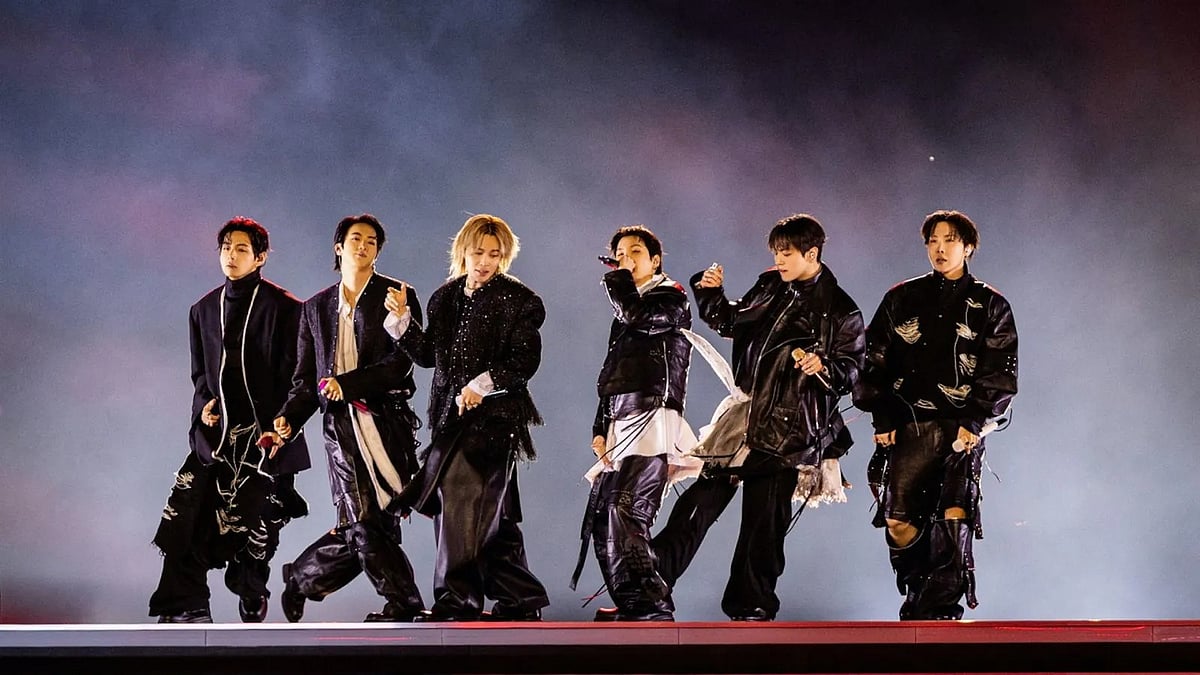
In an industry where trends change overnight and global fame can be fleeting, South Korean boy band and global sensation BTS have managed to remain as influential today as they were at the peak of their rise. After making a banger comeback earlier in 2026 three years after their military enlistment, the seven-member band continues to dominate conversations, inspire fans across generations, and attract new listeners every day.
Their relevance isn't because of chart-topping albums or sold-out stadiums. For millions of ARMY (name of BTS’ fandom) around the world, they band represents comfort, authenticity, hope and a community that transcends borders. Their music speaks about mental health, self-love, ambition, failure and resilience, while their actions off stage have reinforced the messages they sing about.
Fans across age groups explain why, even today, BTS continue to matter.

Safe space through music
For 22-year-old celebrity publicist Lavanya Sukumaran, the answer goes beyond music. "What makes BTS relevant even today isn't just their music. It's the feeling they have always given people. While many artists are remembered for their songs, BTS created something much deeper: a sense of belonging. They became a safe space when even the people closest to us couldn't always understand what we were going through."
Like many fans, her journey began with a single song. "I still remember 2021, when Permission to Dance was the song that introduced me to BTS," she recalls. "On some of my darkest days, songs like Magic Shop, Mikrokosmos, Zero O'Clock and Make It Right became my source of comfort. They reminded me that tomorrow would be better and that I wasn't alone."
That emotional connection is reflected in songs such as Life Goes On, Spring Day, Answer: Love Myself, We Are Bulletproof: The Eternal and Yet To Come, which continue to resonate with listeners through their themes of hope, healing and resilience.
Sukumaran believes this is what separates BTS from many other artists. "They were never just another K-pop group—they became a family. The warmth, respect and genuine love they have always shown towards ARMY is something truly rare. Despite the criticism and hate they've faced over the years, they never let it affect the relationship they built with their fans. People may discover them through their music, but they stay because of the comfort, hope and home they find in BTS."
Authenticity beyond spotlight
For junior publicist Krisha Doshi, BTS' greatest strength lies in their authenticity. "What makes BTS relevant even today is not just their music, but the people they are," she says. "They have always stood for self-love, kindness, growth and the courage to keep moving forward. They have never pretended to be perfect. Instead, they have owned their mistakes, learned from them and continued to evolve, which makes them incredibly relatable."
She also points to the group's willingness to address larger social issues. "They have never been afraid to speak against racism and xenophobia, even when it meant challenging powerful institutions. That kind of courage has inspired me as much as their music," Doshi adds.
Their individuality has also helped keep BTS relevant. Whether it is RM's love for art and literature, SUGA's introspective songwriting, j-hope's optimism, Jin's warmth, Jimin's emotional performances, V's artistic sensibilities or Jung Kook's versatility, each member has cultivated a distinct identity.
"Whether it's RM's love for art and his role as the National Museum of Korea's first global ambassador or the way their variety shows let us see them simply being human, they have always felt genuine," Doshi says. "Watching them grow from performing for small crowds to becoming global icons has been inspiring. To me, BTS are more than artists. They inspire people to become better human beings."
Trendsetters beyond music
BTS' influence has also extended well beyond music. From fashion and luxury brands to museums, gaming and global campaigns, the seven members have become cultural trendsetters whose impact reaches far beyond the K-pop industry.
Twenty-three-year-old aspiring actor and assistant director Priyanshu believes this visibility has played a significant role in keeping BTS relevant. "In my personal opinion, BTS remains relevant because they are far more visible and approachable than most other Korean groups. Unlike many groups that simply follow trends, BTS is known for setting new trends in music, fashion and culture—others often look to them for inspiration. Their involvement in major commercial endorsements, from skincare and clothing to gaming and collaborations, ensures they stay in the public eye and continue to reach new audiences. BTS remains relevant because they are far more visible and approachable than most other Korean bands,” he adds.

The underdogs
Content writer Blue Jonson believes BTS' journey itself is one of the biggest reasons behind their lasting appeal. "Their rise was meteoric, something even they themselves did not anticipate when they first debuted. The sheer force behind that rise was their determination and the fact that they made songs that spoke to their audience, to ARMY, irrespective of where they came from."
He believes their story resonates because it reflects the struggles many people face. "They gave words to feelings that so many people around the world were experiencing. Their story of being underestimated resonated deeply because a lot of people see themselves that way."
For Jonson, the group's music has always mirrored who they are. "Their music has always remained true to who they are. When you listen to BTS, you get to know each member's personality, and I think that honesty is what has allowed them to stay relevant."
He also credits their behind-the-scenes content for strengthening the fan connection. "Their variety shows also let fans see them beyond the stage. Even as global superstars, they have never lost the warmth and kindness that first drew people to them." Such has been their impact on him that he even has "a small but significant BTS tattoo" on his arm.
Staying connected
For 65-year-old businessman Y. M. Sharad, one of BTS' greatest achievements has been maintaining their bond with fans despite being away from the spotlight. "What keeps BTS relevant is that they have always found new ways to stay connected with their audience, even during periods when they could not actively promote as a group," he says.
Sharad points out that the group never truly disappeared during enlistment. "They planned ahead and ensured fans always had something to look forward to, whether it was pre-recorded content, documentaries, music or special releases."
The members' solo careers also helped keep BTS in the public consciousness without weakening the group's identity. RM explored introspective storytelling, Jimin embraced contemporary pop, V experimented with jazz and R&B influences, Jung Kook emerged as a global pop star, while SUGA, j-hope and Jin each showcased distinct musical styles.
"At the same time, each member's solo journey allowed them to explore different musical identities while still strengthening BTS as a whole," Sharad says. "They have always put their music and their fans first, and that genuine connection is something that cannot be easily broken."
From handing out flyers to their concerts and performing for small crowds to selling out stadiums across the world, BTS has come a long way. Their journey reflects not just extraordinary success, but years of perseverance, authenticity and an unwavering connection with their fans.

