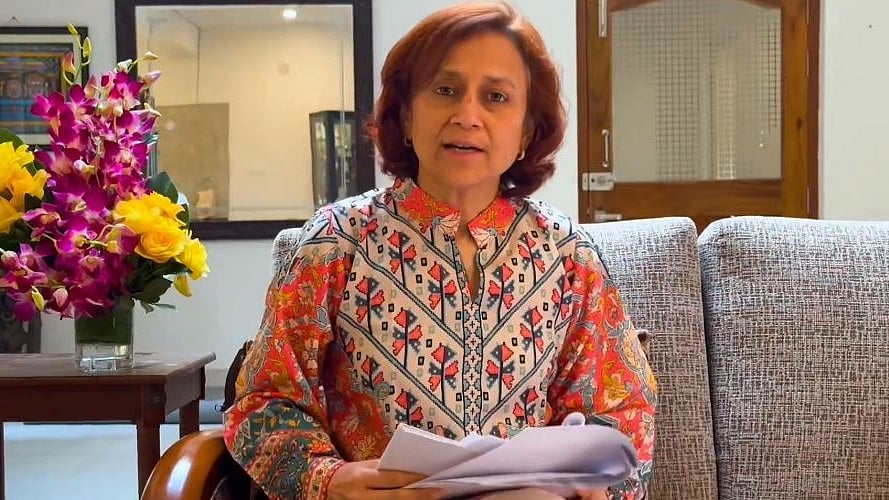
Environment activist Sonam Wangchuk's wife, Gitanjali Angmo, has interpreted recent political developments, including Jan Suraaj founder Prashant Kishor's victory in Bihar's Bankipur Assembly by-election and Union minister Dharmendra Pradhan's resignation, as indications of a possible shift in the country's political landscape.
In a post on X, Angmo wrote, "Is the tide turning?" before referring to the two developments that have dominated political discussions in recent weeks.
"First, a resignation in the wake of the Jantar Mantar protests. Now, Prashant Kishor breaches the BJP's long-held Bankipur bastion with a remarkable victory," she wrote.
Angmo was referring to Dharmendra Pradhan's resignation from the Union Cabinet following weeks of protests over the alleged NEET paper leak controversy. The demonstrations, led largely by students and opposition parties, intensified after large gatherings at Delhi's Jantar Mantar and in several other parts of the country.
She also highlighted Prashant Kishor's victory in the Bankipur Assembly by-election, a result that has drawn considerable attention because the constituency had long been regarded as a Bharatiya Janata Party stronghold. Kishor's Jan Suraaj Party defeated the BJP candidate in what many political observers have described as one of the party's most significant electoral breakthroughs since its formation.
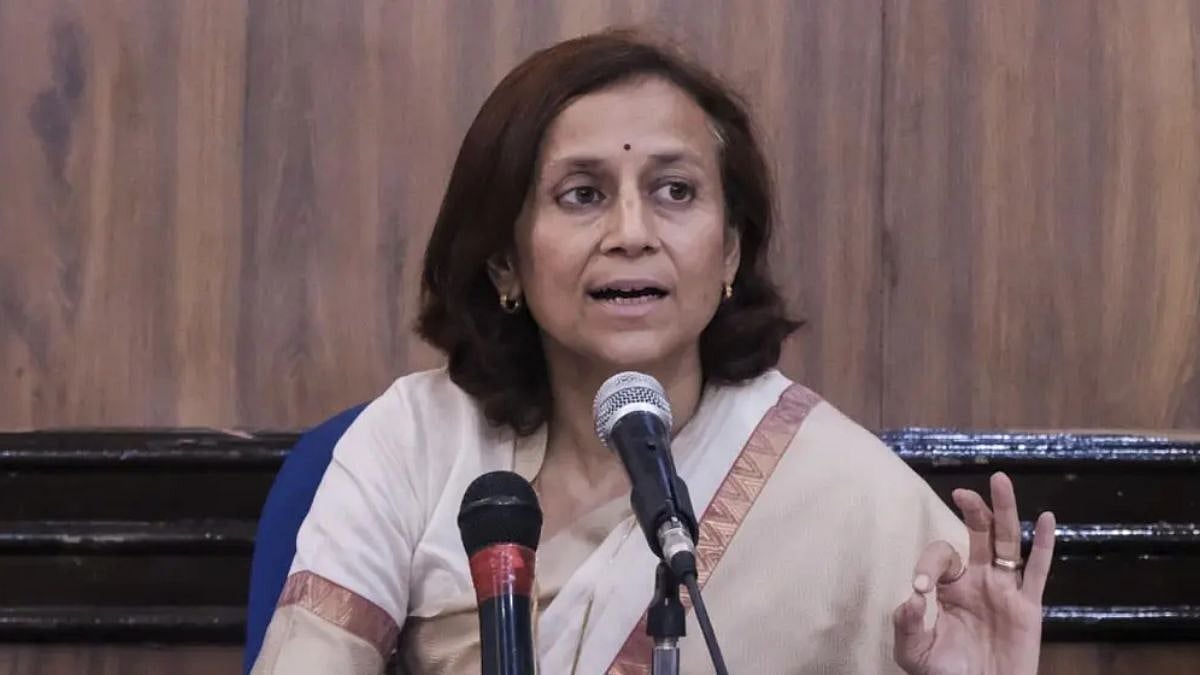
While Angmo stopped short of calling the developments a political turning point, she suggested that they might reflect deeper changes in public sentiment.
"One result does not make a revolution. But sometimes small cracks tell us that something underneath is shifting," she wrote.
Angmo concluded her post by posing two questions: "Is India asking for a new grammar of politics? Are achhe din finally ahead?"

