
The Central government on Saturday increased the windfall gains tax on diesel and aviation turbine fuel (ATF) exports while reducing the levy on petrol exports to zero, effective Oct 31.
The revised rates will remain applicable for the next fortnight, according to a notification issued by the Finance Ministry.
The changes come amid continuing tensions in West Asia, which have prompted the government to regulate petroleum product exports to safeguard domestic fuel availability.
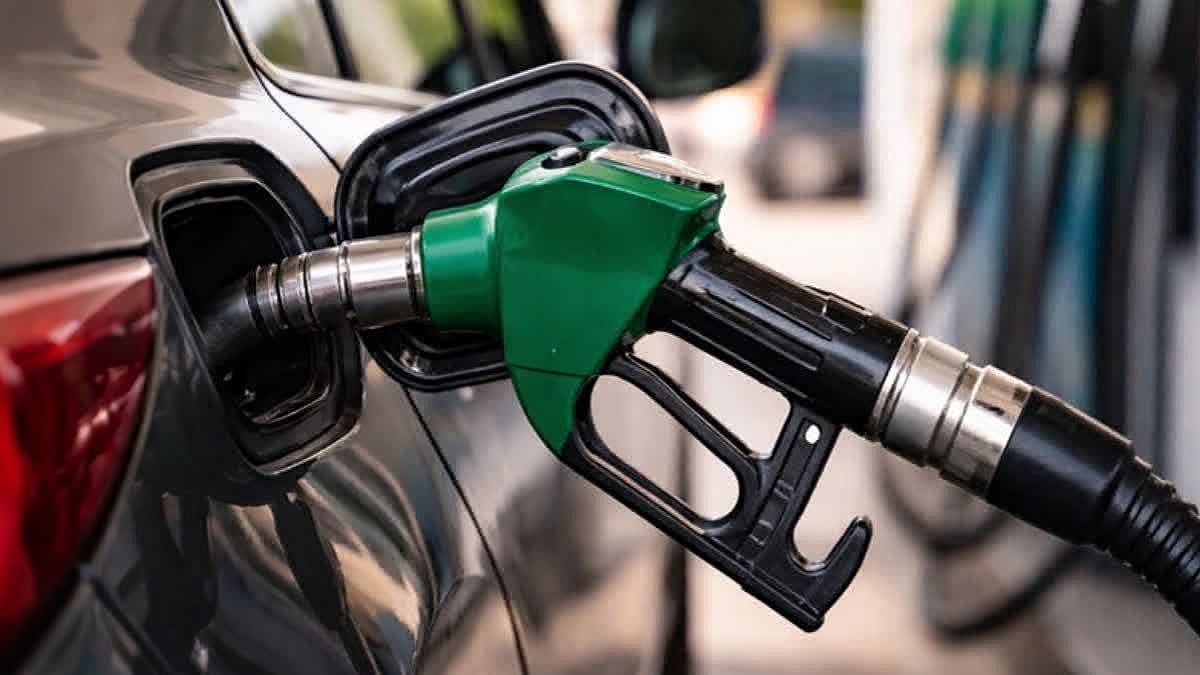
Diesel Export Duty Rises
Under the revised structure, the combined special additional excise duty (SAED) and road and infrastructure cess on diesel exports has increased to Rs11.5 per litre from Rs8.5 per litre.
The export duty on ATF has been raised marginally to Rs11 per litre, compared with Rs10.5 per litre during the previous fortnight.
However, the government has removed the duty on petrol exports, bringing it down from Rs2.5 per litre to nil.
The Finance Ministry clarified that existing duty rates on petrol and diesel supplied for domestic consumption remain unchanged.
The revised export levies are intended to influence overseas shipments without altering the specified domestic fuel duties.
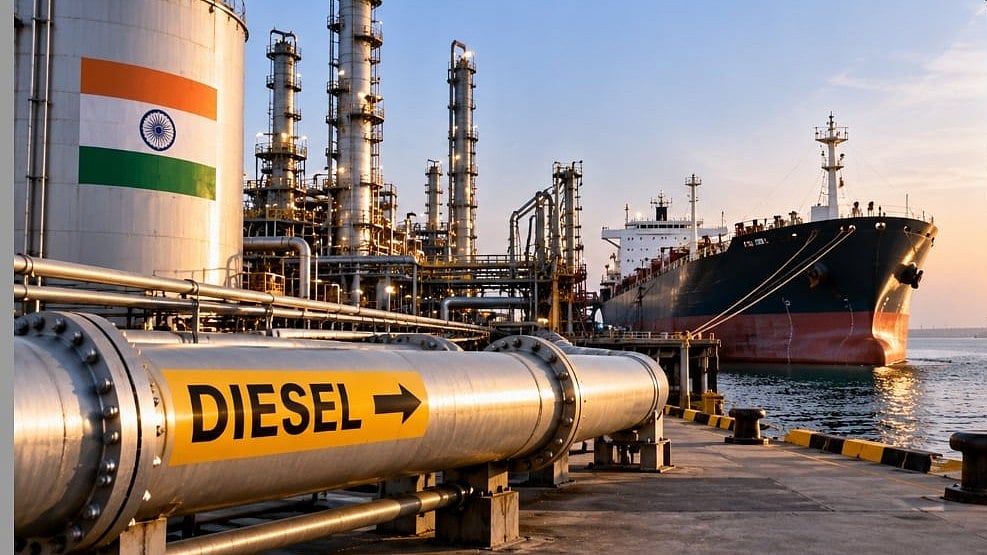
The government initially imposed export duties on diesel and ATF on March 27 amid escalating geopolitical tensions in West Asia.
It subsequently introduced fortnightly revisions to the levy, allowing rates to be adjusted according to prevailing conditions.
Petrol exports were brought under the duty framework from May 16.
The measures were introduced to discourage excessive exports and ensure adequate petroleum product availability in the domestic market.
They were also aimed at preventing exporters from benefiting disproportionately from price differences after international crude oil prices rose following the outbreak of the conflict.
By raising duties on diesel and ATF while eliminating the petrol export levy, the government has adopted different tax rates for individual petroleum products.
The latest revision continues the fortnightly mechanism introduced to manage fuel exports during the regional crisis.

