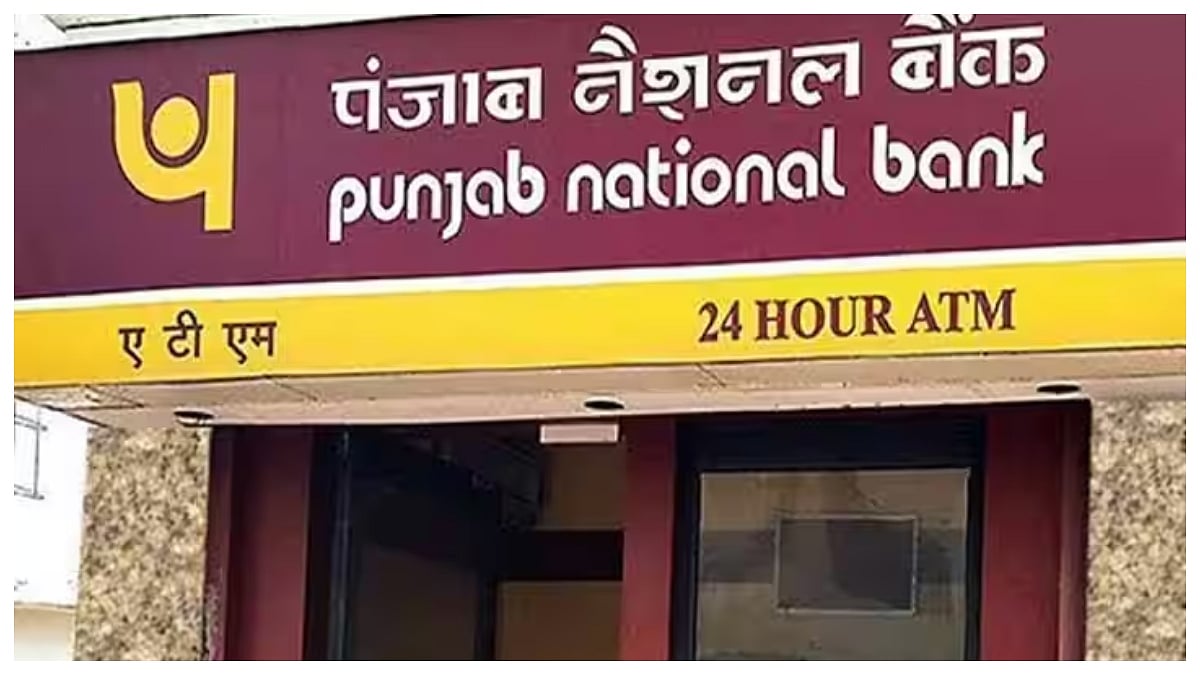
Punjab National Bank (PNB) reported a strong financial performance for the April-June quarter of FY27, with standalone net profit rising more than three times to ₹5,253 crore.
The state-owned lender had recorded a net profit of ₹1,675 crore during the corresponding quarter last year. According to a regulatory filing, PNB’s total income remained largely unchanged at ₹37,231 crore during the quarter under review.
The bank’s interest income showed marginal improvement, increasing to ₹32,897 crore from ₹31,964 crore in the same period a year earlier. Operating profit also witnessed growth, rising to ₹7,519 crore compared with ₹7,081 crore in the June quarter of the previous financial year.

PNB reported a significant improvement in asset quality during the quarter. Gross non-performing assets (NPAs) declined to 2.78% of gross advances as of June 30, 2026, compared with 3.78% in the year-ago period.
In absolute terms, gross NPAs fell by ₹7,292 crore to ₹35,381 crore from ₹42,673 crore recorded in June 2025. The bank’s net NPAs also improved, declining to ₹3,433 crore from ₹4,132 crore during the same period.
The net NPA ratio, which reflects the proportion of bad loans after provisions, eased to 0.26% from 0.38% a year earlier, indicating better control over stressed assets.
However, provisions for bad loans increased during the quarter. PNB set aside ₹792 crore towards bad loan provisions in the first quarter, compared with ₹396 crore in the corresponding period last year.

The bank also strengthened its capital position during the quarter. Its capital adequacy ratio improved to 18.13% from 17.5% at the end of the first quarter of the previous financial year.
The improvement in profitability, decline in bad loans and stronger capital position highlight PNB’s continued efforts to improve operational efficiency and strengthen its balance sheet.
The results come amid a broader improvement in the performance of public sector banks, with lenders focusing on reducing stressed assets, improving credit growth and maintaining stronger financial buffers.

