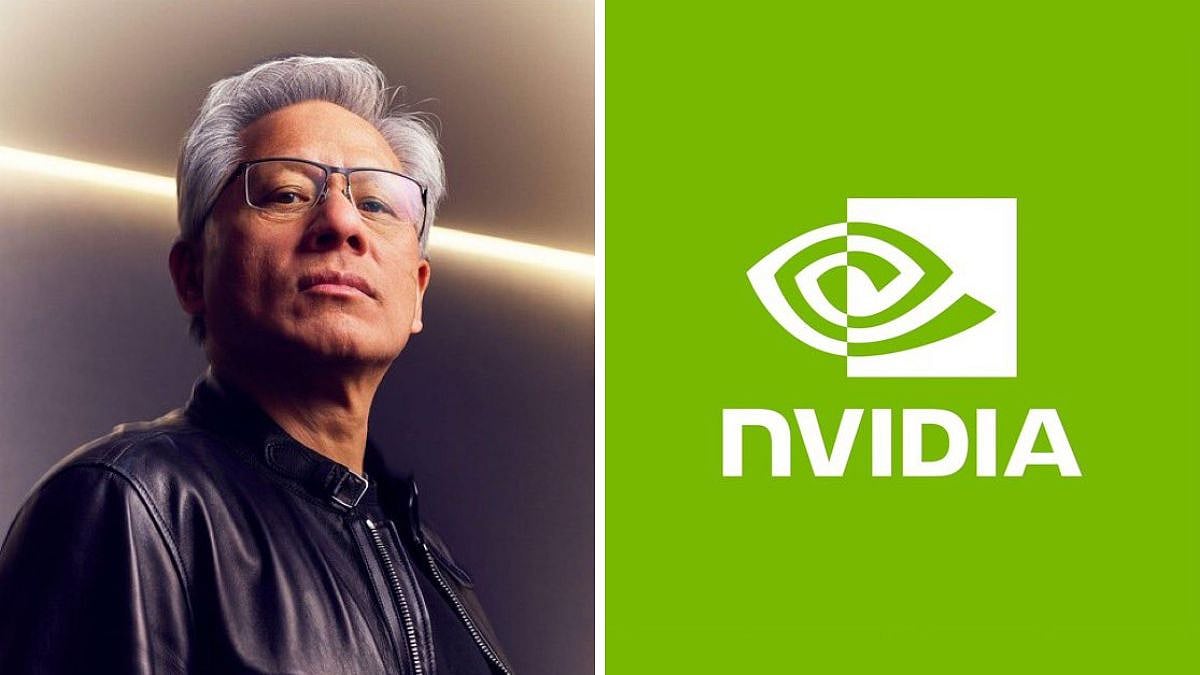
S&P Global Ratings is considering lowering Nvidia's credit rating by one notch amid concerns surrounding the chipmaker's corporate governance and management following the reported departure and subsequent reinstatement of Jensen Huang.
According to a report by Bloomberg, the rating agency placed Nvidia's AA credit rating, its third-highest grade, on CreditWatch with negative implications for a 90-day review. S&P expects any downgrade to be restricted to one notch unless developments have adversely affected the company's long-term business prospects.
A credit rating downgrade could increase Nvidia's borrowing costs at a time when access to capital remains crucial for companies competing in the artificial intelligence (AI) industry.
Beyond supplying chips to major cloud computing companies and emerging cloud infrastructure providers, Nvidia also serves as an important financing source for several AI businesses.

Huang's Return Raises Governance Concerns
Nvidia's board reportedly reinstated Huang on Monday, less than two weeks after his departure amid allegations concerning personal misconduct.
S&P raised concerns about the effectiveness, structure and composition of Nvidia's board, alongside questions surrounding potential violations of semiconductor export controls.
The leadership uncertainty has triggered volatility across Nvidia's stocks and bonds, reflecting Huang's perceived importance to the broader AI infrastructure expansion.
US President Donald Trump had backed Huang's reinstatement, maintaining that his leadership did not pose a national security threat.
Huang has apologised to employees and is scheduled to testify before Congress next month.
Nvidia Credit Risk Hits Record High As Moody's Retains Stable Outlook
Moody's Ratings lowered Nvidia's credit outlook from positive to stable last week, citing governance concerns. The agency indicated that Nvidia's Aa1 rating, its second-highest investment-grade rating, was unlikely to receive an upgrade over the next 12 to 18 months.
On Wednesday, Moody's maintained its revised outlook, pointing to persistent regulatory and governance uncertainty.
According to ICE Data Services, the annual cost of protecting Nvidia's debt against default for five years climbed by as much as six basis points to a record intraday level of 147.27 basis points.
Bloomberg index data showed that Nvidia has approximately $32.5 billion in bonds included in the US high-grade corporate bond index.
Level up your brain the fun way. Play daily games and quizzes on FPJ Smart!

