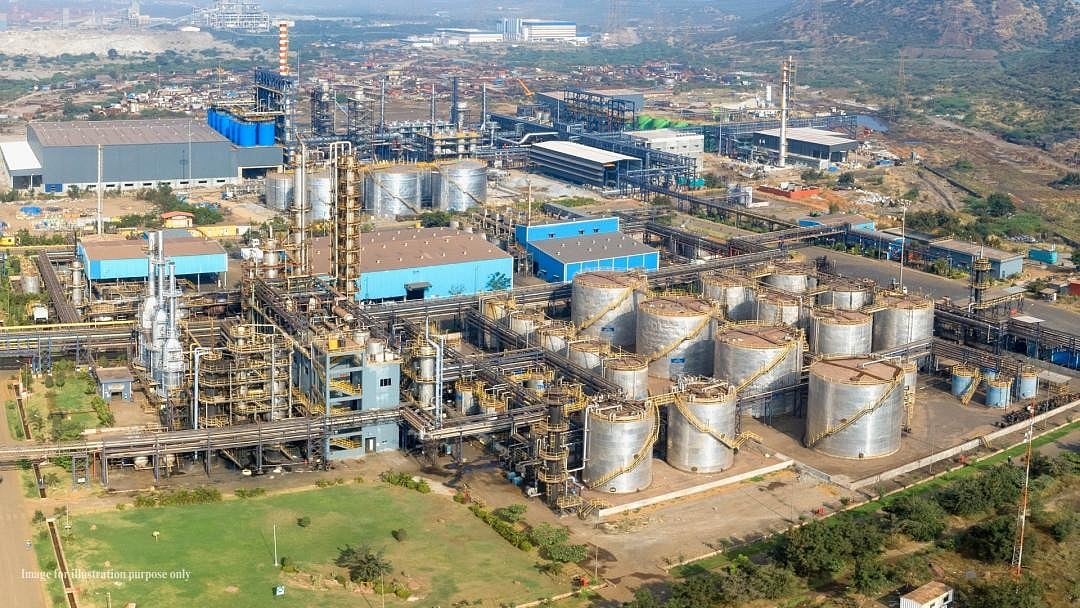
New Delhi, July 24: The Union Cabinet, chaired by Prime Minister Narendra Modi, on Friday approved the Bharat Audyogik Vikas Yojana Rasayan or BHAVYA – Rasayan Scheme for establishing three dedicated Chemical Parks in the country with an investment of Rs 3,030 crore.
The scheme, announced in the Union Budget of FY 2026–27, has an allocation of Rs 3,000 crore towards meeting the cost of establishing common infrastructure facilities and basic utilities inside the parks, while the remaining Rs 30 crore is earmarked for administrative expenditure. The scheme will run for five years from FY 2026–27 to FY 2030–31, according to an official statement issued after the Cabinet meeting.
Scheme funding details
The Centre will provide a grant of up to Rs 1,000 crore per park under the scheme, subject to a minimum contribution of Rs 500 crore by the concerned State Government.
Under the scheme, the Centre will facilitate the development of three dedicated Chemical Parks by the State Governments under the Challenge Route. Each park will have a minimum contiguous area of 8 sq. km. (minimum 2,000 acres) of encumbrance-free land. These parks will provide plug-and-play infrastructure in the form of common facilities and basic utilities for the chemical industry.
Boost to chemical industry
The scheme is expected to promote the development of the Indian chemical industry in a sustainable way by creating an environment-friendly ecosystem consisting of centralised facilities such as common effluent treatment plants, treatment, storage and disposal facilities, and hazardous waste management infrastructure. It will also ensure better compliance with environmental regulations, thereby promoting eco-friendly industrial growth.
The BHAVYA Rasayan Scheme is expected to accelerate growth across the entire value chain of the chemical industry, including upstream, downstream and ancillary industries, by promoting efficient resource utilisation and lowering logistics costs.
Investment and employment impact
Shared infrastructure and utilities will enhance cost competitiveness and make the Indian industry globally competitive. It will also help the chemical sector integrate better into global value chains, leading to greater exports and higher import substitution.
Development of the chemical sector will have a cascading effect through enhanced growth of downstream sectors of the economy, thereby generating employment and contributing to the goal of Viksit Bharat @ 2047.
Recognising that this sector produces chemicals and petrochemicals used in agriculture, textiles, pharmaceuticals, nutraceuticals, construction, automobile and electronics, the scheme aims to attract domestic and foreign investments, enhance production capacity and generate employment.
(Except for the headline, this article has not been edited by FPJ's editorial team and is auto-generated from an agency feed.)

